Sammon Ave. Entrance Closure

The entrance on Sammon Avenue between Coxwell Avenue and Knight Street is temporarily closed during construction. Patients and visitors should use the main entrance at 825 Coxwell Avenue to enter and exit the hospital. View our campus map.
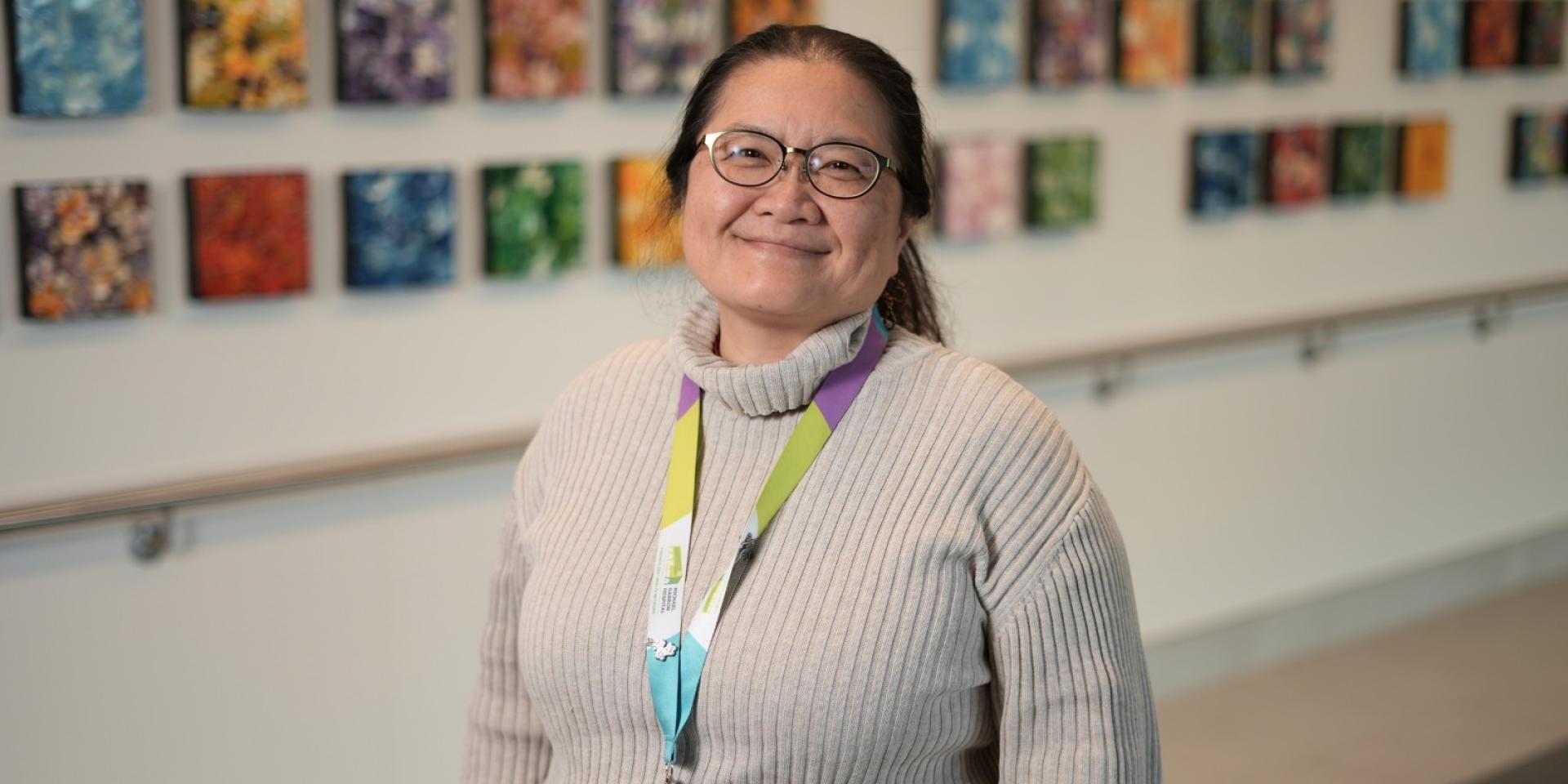
Charmaine Mak 2026

#IamMGH – Meet Charmaine Mak

#IamMGH tells the stories of our people. In celebration of Spiritual Health Awareness Week (October 25 to 31), meet Charmaine Mak, Spiritual Care Practitioner at Michael Garron Hospital (MGH). 

"When I think about what spiritual health means to me, I think about being there for people when they need someone to listen, to sit with them or simply to be present.  

As a Spiritual Care Practitioner, I provide psycho-spiritual and religious support to patients, families and staff across the hospital. I am part of a team of Spiritual Care Practitioners with diverse backgrounds and life experiences. We each bring something different, and we learn from one another. It means we can offer care that reflects the diversity of the community we serve. 

Spiritual health can be religious, spiritual, both, or neither. It depends on how someone approaches their own worldview. My job is to meet the person where they are and offer support, care, comfort and compassion in whatever way is appropriate for them. Sometimes that can be having a cup of coffee with them or sitting down and listening to what is weighing on their mind. Other times it means being present when someone receives difficult news or is approaching the end of life. There is no single approach, so I try to read the room and understand what each person needs in the moment. 

Spiritual Health receives patient and family referrals from all over the hospital. Our team goes wherever we are needed, including Code Blues. Palliative care is one unit where I offer an extra layer of support by attending rounds and visiting patients and staff regularly. Often the hardest part is not the end of life itself, but the family dynamics around it. Every family has its own histories, relationships and coping styles. Sometimes there is nothing I can fix, but I can be present and offer support through one of the most significant moments in their lives. 

Our team supports staff, too. After a difficult situation, we can facilitate a debrief that gives the team space to pause, breathe and reflect together. Caring for the people who care for our patients is an important part of what we do. 

I have had the privilege of supporting people from many different faiths, cultures and backgrounds, as well as people who are not religious. I remember visiting a long-term Hindu patient and bringing them small deity cards. It was a simple gesture that meant a lot to them. Spiritual health is about understanding what is most meaningful to someone and bringing that into their care.  

I am also honoured to be the Keeper of the Sacred Bundle, provided to our hospital by the Toronto Central Regional Indigenous Cancer Program (TCR-ICP). The Bundle supports Indigenous (First Nations, Inuit, Métis and urban Indigenous) patients, families and staff in their spirituality practices. I work closely with our Indigenous Patient Navigator to support our Indigenous patients we serve. 

My Buddhist teachers are a source of inspiration for me. I am a Tibetan Buddhist and spent eight years training in a monastery. I try to carry the idea of the bodhisattva, an aspiration to alleviate the suffering of others, into everyday life. 

Compassion does not have to be reserved for moments of crisis; it can be part of how we treat the colleague we pass in the hallway or the patient who needs someone to stop and listen. 

People may not know I was a Buddhist chaplain with Correctional Service Canada. I spent one season fighting fires in the Yukon, jumping out of helicopters into burning forests. I learned how to stay calm in a firestorm, and in a hospital, we have our own firestorms. If I can remain calm, I can be a haven for someone else who may be overwhelmed. 

When I was younger, someone told me, "I don't want to be 80 years old and talk about all the things I wish I had done. I want to talk about the things that I did." That has stayed with me. Working with patients at end of life feels like a full circle moment. Hearing about the things they wish they had or had not done reminds me how important it is to live fully while we can. 

One of the teachings I carry with me is a phrase from His Holiness the Dalai Lama: “if you cannot help, do not harm.” 

That is what I hope to bring to my work at MGH; to care deeply, to meet people where they are and to try to be a good person as best as I can. If I can do that each day, then I feel very fortunate to be here."