Coxwell Entrance Closure

MGH's main entrance on Coxwell Avenue is closed as the next phase of our redevelopment project begins. Patients and visitors can use the new temporary main entrance on Sammon Avenue between Coxwell Avenue and Knight Street. View our campus map.

Dylann Richard

#IamMGH – Meet Dylann Richard

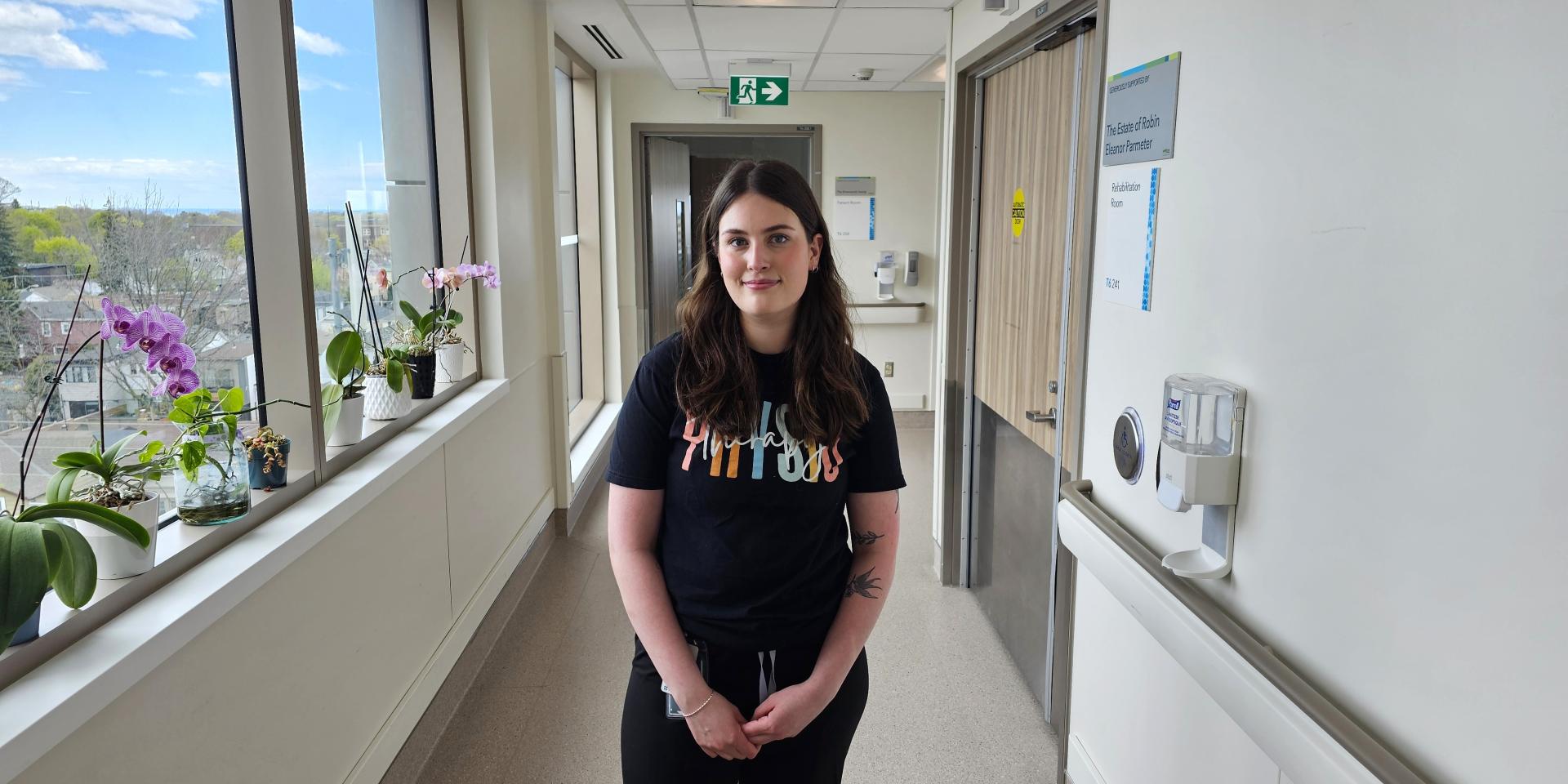
#IamMGH tells the stories of our people. In honour of Physiotherapy Month (May), meet Dylann Richard, Occupational Therapy and Physiotherapy Assistant at Michael Garron Hospital (MGH).   

“I am an occupational therapy and physiotherapy assistant with the Interprofessional Practice (IPP) Team, primarily working on the surgery unit at MGH. I started at the hospital last October after completing Humber College’s Occupational Therapist Assistant and Physiotherapist Assistant diploma program.  

My role involves supporting patients through their recovery journey after surgery or injury, helping them regain mobility, strength and confidence in their daily lives. Day-to-day, my work involves collaborating closely with physiotherapists, occupational therapists and the broader care team. I help patients get out of bed, move safely to a chair, complete exercises and build mobility throughout the day. Sometimes, that support is physical, but other times it’s emotional. Many patients are in hospital without a family nearby and being a familiar face they can talk to each day can make a real difference. Physiotherapy can feel intimidating or exhausting after a surgery, so I always try to be someone patients feel comfortable with and look forward to seeing. 

Growing up, my dad worked as a recreation therapist and I always thought he had the coolest job. As I got older, he introduced me to the work physiotherapy assistants do and I realized it combined everything I was looking for in a career. I knew I wanted to work in healthcare and do something meaningful and I loved the holistic approach of helping people both physically and emotionally through difficult moments in their lives.  

The most rewarding part of my job is being with patients during some of the hardest moments they may experience and getting to witness their progress firsthand. Many of the patients I work with have just gone through a major surgery or injury and are feeling discouraged, weak or unlike themselves. Over time, you see them take a few steps, progress to walking down the hallway and eventually become strong enough to return home or continue their recovery in rehab. Watching that transformation and helping people return to the activities that are meaningful to them is incredibly special. 

At the same time, the work can be challenging. Not every patient recovers in the way they hope to and sometimes expectations need to shift based on what is realistically possible. In those moments, our role is to support patients with compassion and honesty while helping them navigate the next steps in their recovery journey. 

When I think about MGH’s values courage stands out to me. Recovering after surgery often requires patients to do things that feel scary or overwhelming, especially when they’re in pain or unsure of what their body is capable of. It takes courage to trust the care team, get out of bed and take those first steps. When patients find that courage and begin to see their progress, it often motivates them to keep going and continue working towards their goals. 

Recovery is often a team effort and occupational therapy and physiotherapy assistants play a key role in supporting patients along the way. We work closely with physiotherapists and occupational therapists to support patient care and help ensure patients are receiving therapy consistently throughout their stay. We assist with exercises, mobility and equipment and often become an extra set of hands for the care team. We also help patients feel supported throughout the recovery process, whether that’s through encouragement, conversation or simply being there every day. 

One unique part of my role is hosting a preoperative education class for patients preparing for hip and knee replacements. During these sessions, we walk patients through what to expect before and after surgery, answer questions and help ease some of the anxiety that can come with a major procedure. It’s rewarding to help patients feel more prepared and confident before they even arrive at the hospital for surgery.”