Sammon Entrance Closure

The entrance on Sammon Avenue between Coxwell Avenue and Knight Street is temporarily closed during construction. Patients and visitors should use the main entrance at 825 Coxwell Avenue to enter and exit the hospital. View our campus map.
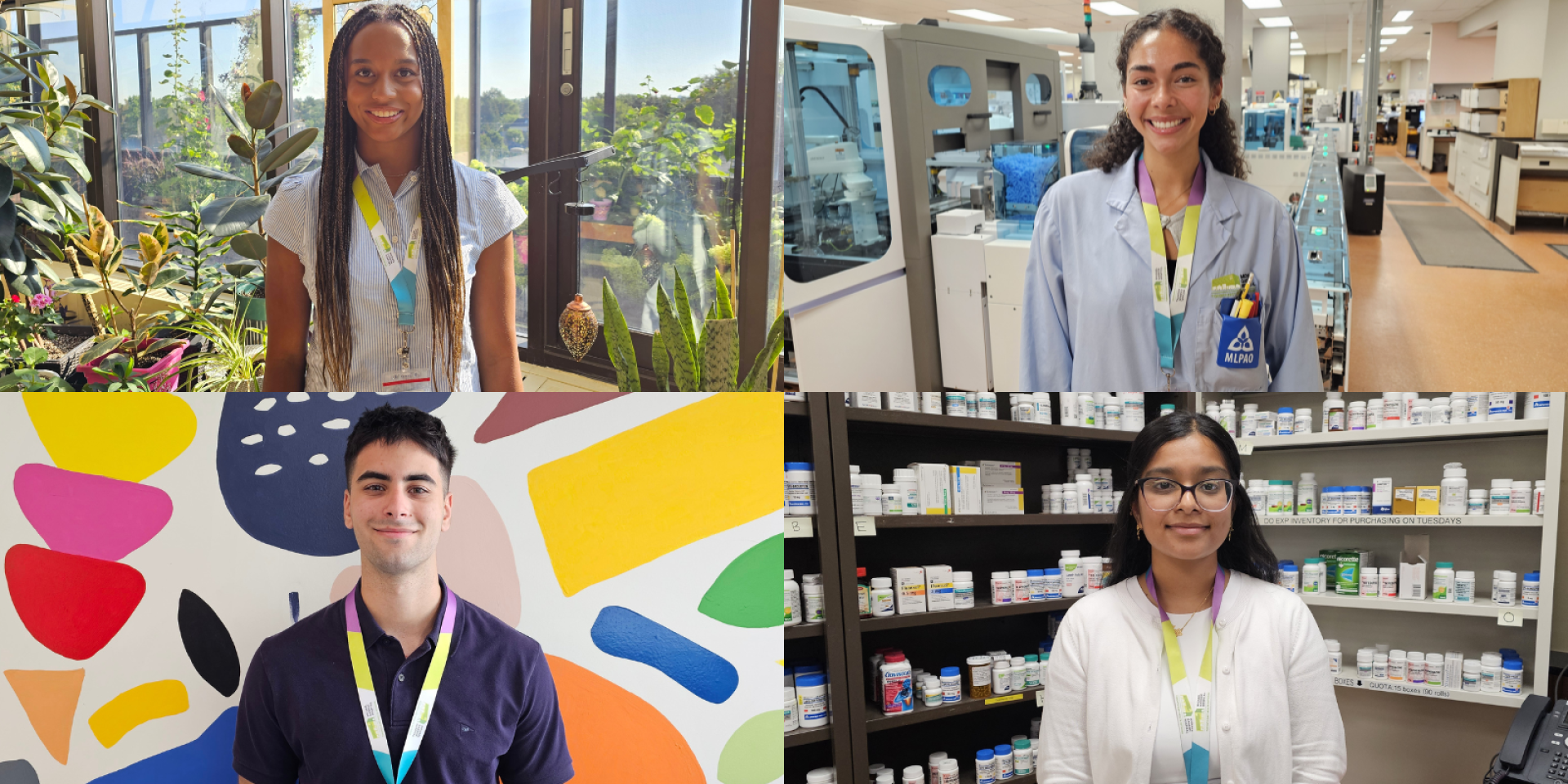
Summer students 2026

'I’ve grown both professionally and personally': Co-op and summer students reflect on their experiences at MGH

As a full-service community teaching hospital, Michael Garron Hospital (MGH) is committed to creating meaningful learning opportunities that allow students to gain hands-on experience, build new skills and grow in a supportive and inclusive environment. 

Last week, we introduced some of the co-op and summer students who are spending the summer learning, growing and making a meaningful impact across MGH. Now, it's time to meet a few more! 

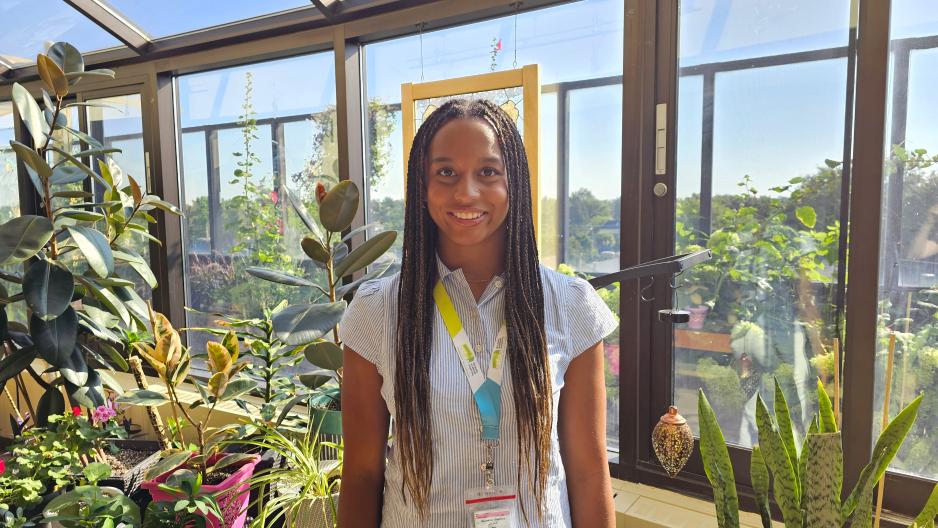
Renee Shaw

Renee Shaw 

Biology at University of Washington 

Describe yourself in three words. 

Driven, compassionate and curious. 

What unit at MGH are you working in this summer? Can you tell is a little bit about your role and the kind of work you're doing? 

I'm working in Complex Continuing Care this summer. I work with the Hospital Elderly Life Program (HELP), where I work alongside the program team to support older adults through patient care and therapeutic activities. 

A large part of my role is spending time with patients, having conversations with them and doing activities that help keep them engaged and oriented, such as puzzles, colouring, reading, exercise and other cognitive activities. 

I also support patients in the Memory Care Unit, many of whom are living with dementia or Alzheimer's disease. We focus on helping them stay active, engaged and connected. 

Along with patient interactions, I've also worked on several projects, including creating resources for the unit, helping relaunch the senior kits across different floors, connecting with libraries to support our programming and assisting with data entry and management. 

What drew you to MGH and this unit in particular? 

I've always wanted to work in a hospital. When I was younger, I volunteered at seniors' homes because I had family members who lived in those settings. The staff noticed how much I enjoyed spending time with the residents and they asked me to help lead activities like exercise classes. 

Over time, it became something I really looked forward to. I loved seeing how happy people were when someone took the time to visit them, especially those who didn't always have family or visitors coming in regularly. 

When I saw this position available at MGH, I knew I wanted to apply. When I came in for my interview and toured the hospital, everyone was so welcoming. The unit was bright, the staff were friendly and I immediately felt like it was somewhere I would enjoy being. 

How do you think this experience will benefit you? 

This experience has helped me develop important skills like teamwork and communication, especially in a healthcare setting. Working alongside nurses, personal support workers and other members of the care team has shown me how every role contributes to making sure patients receive the best possible care. Seeing how everyone communicates during rounds and huddles has really highlighted how important it is for teams to stay connected and work together. 

It has also taught me the importance of speaking up, asking questions and communicating openly. Everyone is working towards the same goal of supporting patients and I've learned that collaboration is a huge part of healthcare. 

What's been the most surprising part of the experience? 

The most surprising part has been realizing how much of an impact my role can have. I came into this placement thinking that because I'm a summer student and my role is not clinical, my contribution might be small. But I've learned that even small interactions can make a huge difference. Sometimes I'll only spend five minutes talking with a patient or doing an activity with them, but they'll tell me how much they appreciate my visits and how much it brightens their day. Those moments have reminded me that the work I'm doing matters and that I can make a positive difference, even in simple ways. 

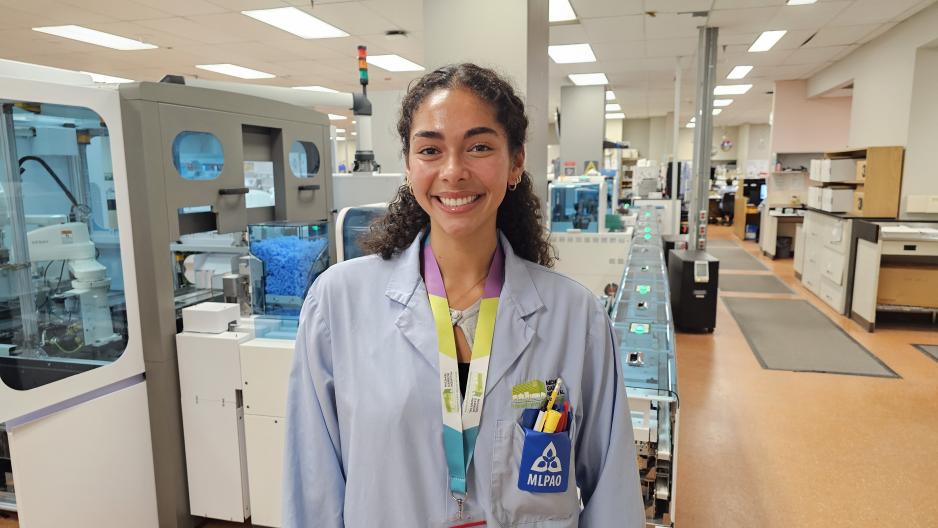
Rachel Edwards

Rachel Edwards 

Biology at Queens University 

Describe yourself in three words. 

Hard-working, collaborative and passionate. 

What unit at MGH are you working in this summer? Can you tell is a little bit about your role and the kind of work you're doing? 

I’m working in Laboratory Medicine this summer. My role has given me the opportunity to experience both the administrative and technical sides of the lab. On a day-to-day basis, I help process test requisitions that come in with slides and specimens that need to be analyzed. I organize paperwork, direct specimens to the appropriate locations and help ensure everything is properly filed and tracked. 

Within the lab, I’ve also had the opportunity to support equipment verification, including checking that pipettes are working correctly and measuring the correct amounts needed for laboratory testing. I’ve also helped with inventory checks to make sure equipment and supplies are up to standard. 

I’ve also supported some computer-based tasks, such as patient profile merging, where we ensure patient information is accurately connected under one profile so their records and history are complete. For example, if a patient comes in on different occasions, we may need to manually combine their profiles. This ensures their information and history are all together so healthcare providers can access the correct records. 

What do you enjoy most about being part of the team in your unit/department? 

What I enjoy most is seeing the real-world impact of laboratory work. As a student, a lot of our learning is academic. You complete experiments, write reports and receive grades, but working in the lab has shown me the direct impact that this work has on people’s lives. Every test that is processed and every result that is produced plays an important role in patient care. It has been amazing to see how the work happening behind the scenes contributes to helping patients. 

I’ve also really enjoyed seeing how many different areas of the lab work together. As a patient, you may only see the blood collection process and receive your results later, but there are so many teams and steps involved behind the scenes. Seeing how everything comes together has been really eye-opening. 

What’s your experience been like working at MGH? 

My experience at MGH has been amazing. Every day I’ve felt excited to come into work because there are so many opportunities available to students and no two days have been exactly the same. 

One thing I’ve really enjoyed is being able to step outside the lab environment and interact with patients. I’ve had the opportunity to visit the blood collection area, collect patient feedback through surveys and support positive patient identification checks, where I observe and ensure that proper patients identification processes are being followed. It’s been really meaningful to hear directly from patients about their experiences, whether it’s positive feedback or constructive suggestions. It has shown me that laboratory work isn’t just about what happens behind the scenes; there is also a direct connection to the patient experience. 

How do you think this experience will benefit you? 

This experience has helped me learn more about the different career paths available for students with a science background. Before this, I think I had a more limited understanding of what opportunities existed beyond what we typically learn about in school. 

It has also strengthened my attention to detail. Working in a laboratory environment has shown me that even the smallest details can have a significant impact. For example, when verifying laboratory equipment, even a small measurement error could affect how equipment is used by laboratory technologists, which could ultimately impact patient results. Similarly, when merging patient profiles, accuracy is extremely important because incorrect information could have serious consequences. 

Beyond the technical skills, I’ve grown both professionally and personally. Professionally, I’ve gained hands-on experience and a better understanding of how different roles contribute to patient care. Personally, I’ve become more confident communicating with colleagues and patients, asking questions and working as part of a collaborative team. I know I’ll carry those skills with me as I return to school and throughout my future career.  

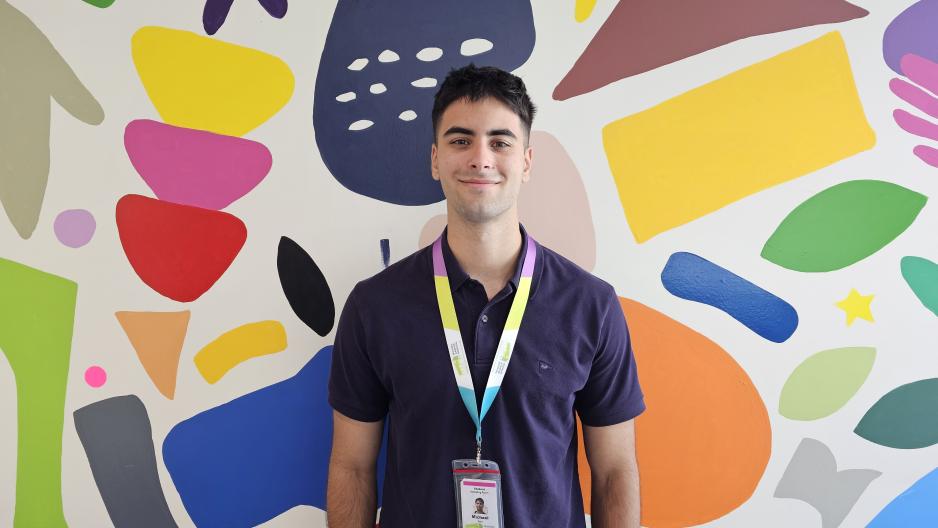
Michael Fam

Michael Fam 

Bachelor of Commerce at University of Guelph 

Describe yourself in three words. 

Kind, hard-working and curious. 

What unit at MGH are you working in this summer? Can you tell is a little bit about your role and the kind of work you're doing? 

This summer, I’m working with the Operating Room (OR) department and more specifically with Surgery. A large part of my role has been supporting the planning for MGH’s new and upcoming satellite site. I’ve been working with teams across the hospital to map workflows and plan how the new site will operate, including coordinating how supplies and equipment will move between the hospital and site and how different departments will work together to support patient care. 

I’ve also had the opportunity to support the OR’s Swing Room pilot project where surgeons alternate between operating rooms, allowing them to move directly from one surgery to the next while the other room is prepared. This helps increase the number of surgeries that can be completed in a day. My role involved collecting timing data, such as how long procedures took and how quickly operating rooms were turned over between cases to help evaluate the pilot. 

In addition, I completed observations focused on quality and safety and I’ve had the opportunity to observe surgical procedures. Through these experiences, I’ve gained a better understanding of the planning, collaboration and coordination that take place behind the scenes to support safe, high-quality surgical care. 

What drew you to MGH and this unit in particular? 

I’ve been part of the MGH community for the past three years, first supporting with Accreditation work before moving into quality improvement projects. I’ve also volunteered at MGH’s gift shop, so returning each summer has felt like a natural fit. I keep coming back because I’ve enjoyed the opportunity to contribute to meaningful work while continuing to learn from the people around me. 

What's your experience been like working at MGH? 

Working at MGH has been a really eye-opening experience. It's given me a new perspective on how a hospital operates and introduced me to opportunities I wouldn't have expected, from workflow mapping and quality improvement projects to presenting in meetings and observing surgeries. Every experience has helped me build new skills and broaden my understanding of healthcare. 

What's been the most surprising part of the experience? 

The most surprising part of my placement has been the opportunity to observe surgeries, something I never expected to be part of my role. Watching procedures in the OR gave me a new appreciation for the precision, teamwork and expertise involved. It was fascinating to see not only the surgeries themselves but also how every member of the team plays an important role in delivering safe patient care. 

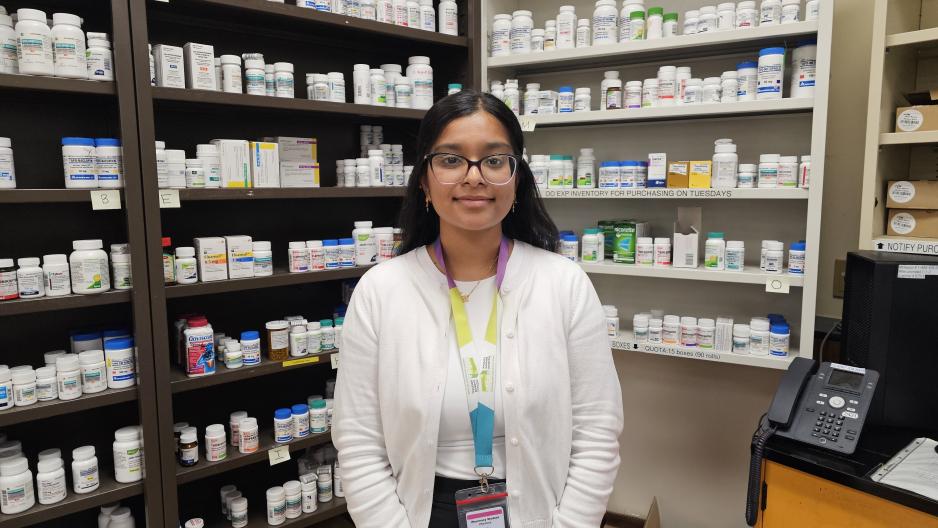
Nurjahan Begum

Nurjahan Begum 

School of Pharmacy at University of Waterloo 

Describe yourself in three words. 

Curious, empathetic and dedicated. 

What unit at MGH are you working in this summer? Can you tell is a little bit about your role and the kind of work you're doing? 

My experience at MGH has been unique because, as a pharmacy co-op student, I've had the opportunity to rotate through several different clinical areas over the course of my placement. In June, I worked in the Outpatient Oncology Clinic where I collected Best Possible Medication Histories (BPMHs), reviewed oncology treatment regimens, assessed lab work to ensure patients on what to monitor for during their care. I also reviewed funding criteria to determine patients' eligibility for treatment programs and supported the Multiple Myeloma Clinic by following up with patients to see how they were tolerating their medications. 

I'm currently working in the Family Birthing Centre (FBC), Medicine and the Stavro Emergency Department (ED). Each morning, I complete BPMHs for postpartum patients in the FBC before spending the rest of the day performing medication reconciliations for newly admitted patients. This involves reviewing medications to help ensure they are safe, accurate and appropriate while supporting smooth transitions of care. I also participate in daily interdisciplinary rounds and make recommendations based on my medication reconciliation assessments.  

What do you enjoy most about being part of the team in your unit/department? 

What I've enjoyed most is how much the team values student contributions. Even though I'm still learning, the pharmacists genuinely listen to my recommendations and encourage me to be an active member of the care team rather than simply observing. Being trusted with meaningful responsibilities has helped me build confidence and made this placement both rewarding and inspiring. 

What has been the most surprising part of the experience? 

The most surprising part of my experience has been seeing how interprofessional the care is and how involved pharmacists are in a patient's circle of care. Physicians and other allied health professionals actively seek out pharmacists' input and take our recommendations into consideration and that motivates us to do good work knowing it will genuinely be heard.  

One moment that really stood out to me was when a physician messaged me after reading one of my medication reconciliation notes to let me know he agreed with my recommendation. That moment gave me a real sense of motivation to keep doing my best. 

What’s one thing you’ve learned or had the opportunity to participate in, that you didn’t expect?   

One thing I didn’t expect was how much exposure I would have to different clinical units. In the three months I’ve been at MGH so far, I’ve had the opportunity to work in the FBC, the Outpatient Oncology Clinic, Medicine and the ED. Each unit has its own pace and patient population, so I’ve had to adapt how I communicate and approach clinical decision-making depending on where I’m working. 

For example, in the FBC, I had to consider medication safety in the context of pregnancy and breastfeeding, which required a completely different clinical perspective than in oncology, where the focus was on treatment tolerability and managing drug interactions with complex treatment regimens. In the ED, the pace was much faster and I learned to prioritize tasks and think on my feet in ways I hadn’t experienced before. Being able to rotate through so many different areas has given me a much broader understanding of hospital pharmacy than I expected and has helped me discover the type of clinical environment I’d like to work in long-term.